roofing.marketingmynds.com

Repair or Replace

If your roof isn’t very old and you spot a few loose or damaged shingles, you may be able to just replace them. But for broader or more extensive damage, it may be time for a new roof. The key is a regular roof inspection so you know what’s going on up there.

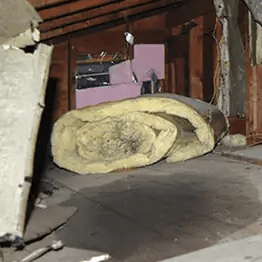
Attic Leaks

Check your attic after severe weather. A leak could mean some shingles are damaged, the underlayment a protective barrier between your shingles and the plywood of your roof has failed, or flashing the material that seals joints on your roof has deteriorated.
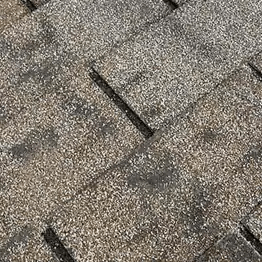
Dark Streaks

It may look like dirt, but dark stains on your shingles may be moss, lichen, or blue-green algae. This may not require a new roof, but if and when you do replace your shingles, ask for StainGuard and StainGuard Plus protection, which are available on many GAF shingles.
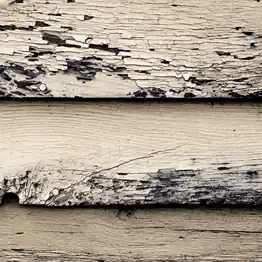
Blistering or Peeling Paint

Poor ventilation may cause moisture to get trapped in your house, which may cause exterior paint to peel and blister.
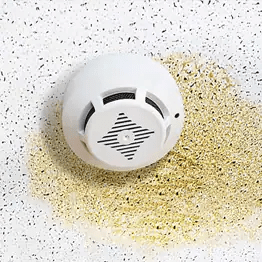
Ceiling and Wall Stains

Leaks from outside the house or moisture trapped inside it can cause stains and possibly mold or mildew.
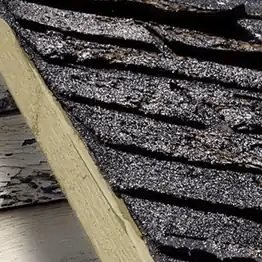
Sheathing Decay

Another issue with poor ventilation and moisture in your layers of roofing materials is the decay of sheathing also called decking which is the layer of plywood that forms the foundation of your roof. If you notice a sagging ceiling, broken gutters, leaks, or missing patches of shingles, your sheathing may be damaged.
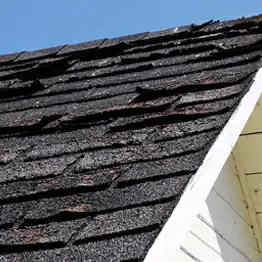
Shingle Damage

When shingles reach the end of their useful life, you may notice they fall off or become cracked, brittle, or curled, which means it may be time for a new roof.
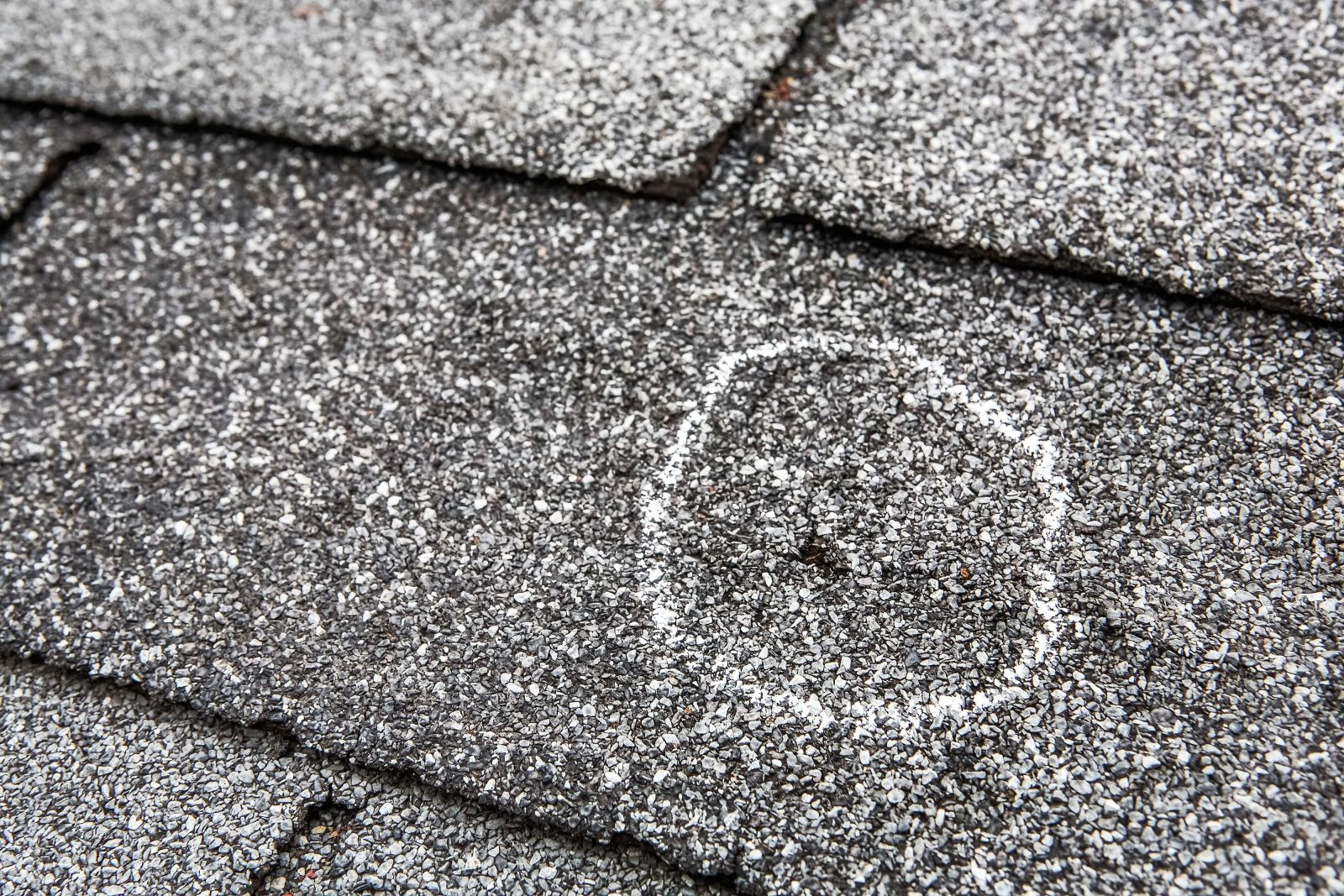
Tips on Keeping Your Roof in Good Shape

  • Know how old your roof is- If you didn’t install it and you’re not sure, check the inspection report from when you purchased your home. You can also ask a roofing company or building inspector to look at the roof and estimate its age and condition.
  • Spot-check your roof twice a year, once in spring, once in fall- Use a ladder to access it and look for trouble spots, but also check your attic for damage. Not feeling up to it? Reaching out to Westchester Roofing for help inspecting is always the best option.
  • Watch the homes around you- They experience the same weather yours does and were likely built around the same time. If your neighbors are getting new roofs, do a roof inspection to see if your home needs one too.
  • After a significant weather event- Like heavy winds or a hail storm, check for exterior damage as soon as it’s safe.

How to do a roof inspection

Start Inside

1. Look around your attic for signs of leaks, dark spots, holes, or sagging sheathing.
2. Check your ceilings for stains, mold, or mildew.

Step Outside

If you're comfortable using a ladder, you can inspect your roof up close. If not, you can perform a fairly thorough inspection from the ground using binoculars.
1. Clean leaves and debris out of gutters and downspouts; check for sagging or leaks.
2. Look in hidden areas like the underside of eaves and fascia boards (the boards connecting the roof to the outer walls of your house) for rotting wood or animal infestation.

Head to the Street

1. Look for dark spots, missing shingles, or sagging areas.
2. Check whether the exterior paint is blistering or peeling.
3. If you live in snowy or icy regions, watch for ice dams—ridges of ice that form at the roof’s edge and can cause water to leak into your home.

Examine the Roof

1. Check for cracked, torn, warped, or missing shingles and popped or rusted nails.
2. Look for open seams or joints and ensure roof vents are not covered or clogged.
3. Make sure pipes and roof penetrations (like chimneys or skylights) are properly sealed and free of exposed nails.
4. nspect the flashing around joints to ensure it is not damaged and provides proper water protection.